
Quick answer
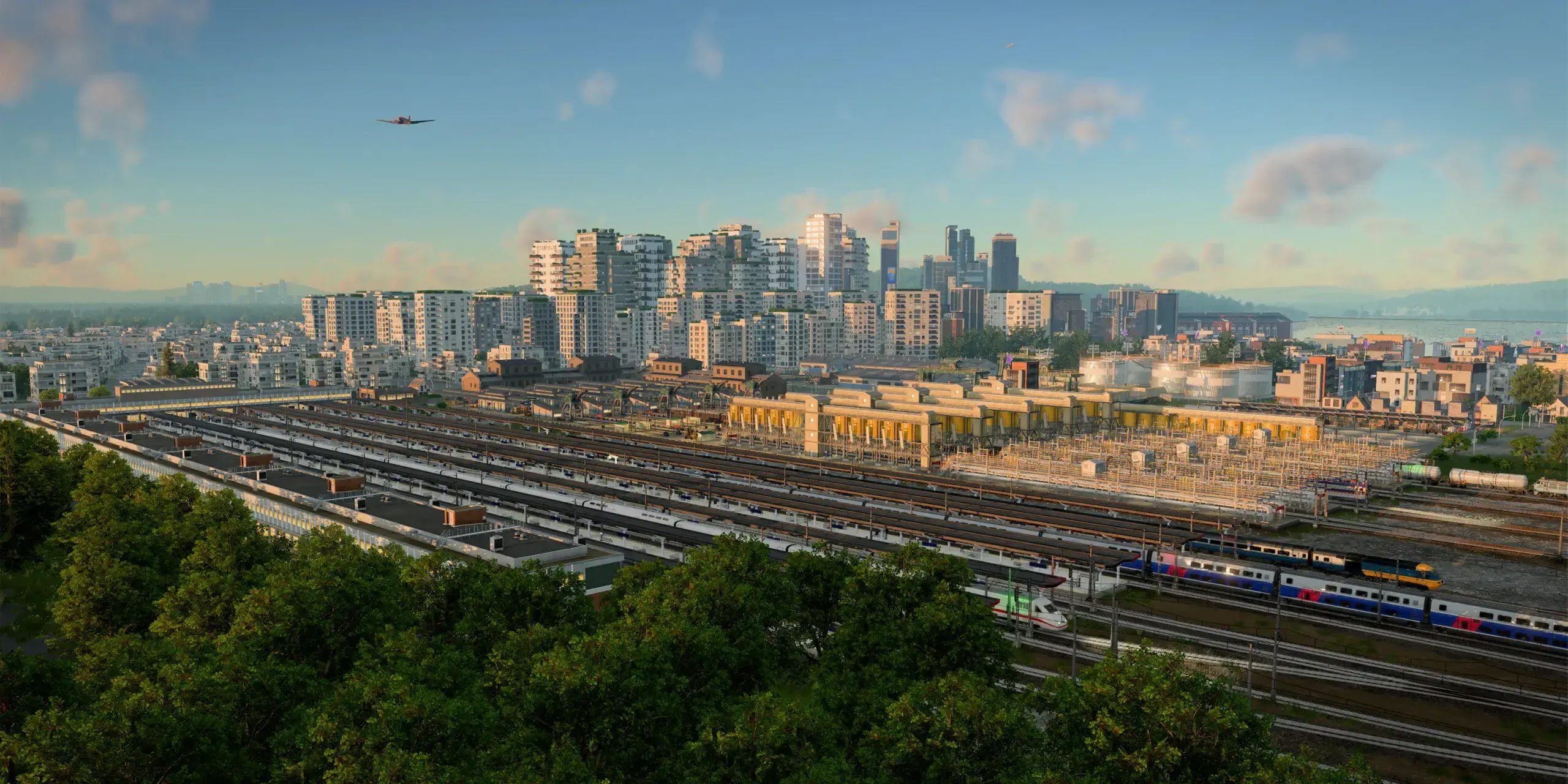
Transport Fever 3 keeps the series’ core of building transport networks and managing a simulation, but official materials describe a broader and deeper set of systems than the feature overview published for Transport Fever 2. The clearest documented differences include more advertised vehicles, a fourth climate zone, expanded cargo handling, new vehicle categories, an integrated cross-platform mod browser, and rebuilt infrastructure tools.
This is a source-led comparison, not a performance review. Urban Games and the official Transport Fever 2 site document features, but the material reviewed does not provide independent benchmarks or a complete feature-parity matrix. The comparison below therefore distinguishes explicit published facts from interpretation.
Transport Fever 3 vs 2: feature comparison
| Topic | Transport Fever 2 (official overview) | Transport Fever 3 (official overview) |
|---|---|---|
| Vehicle roster | More than 200 vehicles | Current support FAQ says 300+; Steam feature overview still says 275+. Helicopters and cargo trams are highlighted additions |
| Climate zones | Three landscape types: moderate, dry, tropical | Four climate zones, including subarctic environments |
| Campaign | Three campaigns across three continents; 20+ hours described | Campaign with historical missions; official support describes eight missions |
| Cargo | Traditional transport and industry simulation | Cargo can be picked up and sent anywhere within the player’s network; expanded loading and storage options |
| Infrastructure | Construction tools and modular stations | Rebuilt road tools, continuous build mode, flexible lanes, overland trams, highway ramps, and revised rail path reservation |
| Modding | Mod support listed for Windows, Linux, and Mac | Integrated mod browser and cross-platform library described for PC and consoles |
| Map tools | In-game map editor | In-game map editor plus landscaping features and randomly generated maps with distinct biomes |
The figures and feature summaries above come from the respective official product and developer pages. Transport Fever 3’s official support FAQ now says more than 300 vehicles, while its Steam feature overview still says 275+; the official headline counts currently differ. They do not indicate that every feature is entirely new: some building ideas, vehicles, or mod tools carry forward from Transport Fever 2 or its updates.
Cargo and industry changes
Urban Games describes a significant cargo-system change in Transport Fever 3: newly produced cargo stays at its origin until the player collects it, and can then be shipped anywhere within the player’s network. That gives the player more control over destination and intermediate logistics. The same developer article covers integrated loading docks, specialized facilities, warehouses, and the trade-off between simpler loading and greater throughput.
The official feature overview also advertises more than 35 industries and demand-driven expansion, including offshore operations. That is a larger published scope than the concise Transport Fever 2 overview, which describes a realistic transport and economy simulator but does not publish a matching industry count there. Avoid interpreting the difference in page detail as a complete census of every earlier game feature.
Building and rail changes
The Transport Fever 3 infrastructure dev blog documents continuous construction for roads and tracks, live previews, adjustable construction parameters, and flexible lane splits and merges. It also explains a change to train path reservation intended to prevent certain deadlocks and enable more layouts. This makes the building process and rail movement two concrete comparison points for players who spent time designing complex junctions in TF2.
The same article notes that some road-snapping tools began experimentally in a Transport Fever 2 update. That is why “new in TF3” should not be read as “never appeared in any form in TF2.” The official dev blog is the best place to see which details are newly introduced, revised, or carried forward.
Vehicles, towns, and the simulated world
The published roster headline rises from over 200 vehicles in TF2 to a current 300+ claim in the TF3 support FAQ (the Steam overview still says 275+). Urban Games also calls out helicopters and cargo trams, and describes dynamic towns with districts, individual inhabitants, traffic behavior, and changing needs. Weather, day-night conditions, four climate zones, and randomly generated maps add variety to the world description.
These counts describe official marketing summaries, not a guarantee about unlocked vehicles in a particular save. The vehicle guide covers the confirmed Transport Fever 3 categories; use the current in-game vehicle list for exact models and their properties.
Mods and compatibility
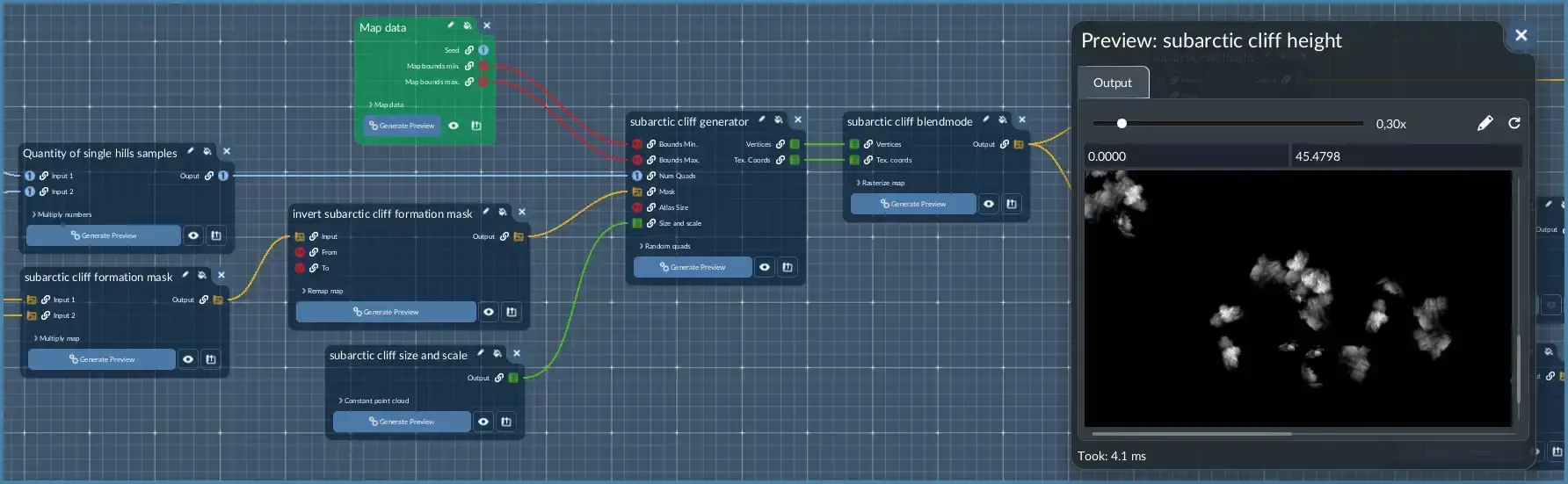
Transport Fever 3’s official support FAQ describes an integrated mod browser and a cross-platform library, including console platforms, with Steam Workshop excluded from the in-game service. The Curated Mods Program FAQ is clear that Transport Fever 2 mods are not directly compatible with the new game, although their authors can adapt them. Do not expect an existing TF2 mod setup to transfer unchanged.
How Transport Fever 3 mod support works
Read about the in-game browser, cross-platform access, and the compatibility limit for older Transport Fever 2 mods.
Read guide →Which game should you choose?
Choose Transport Fever 2 if you want to continue with its established content, existing saves, or a mod collection built specifically for that game. Choose Transport Fever 3 if the documented additions—especially the revised logistics model, expanded simulation, new transport types, and current cross-platform mod approach—match what you want from a new transport-management game.
That recommendation is based on official feature descriptions, not a claim that one title runs better or is better balanced on your hardware. Check the Transport Fever 3 system requirements, compare current editions, and review the gameplay guide before deciding. For source details, see the official Transport Fever 3 overview, Transport Fever 2 overview, and the TF3 cargo and infrastructure developer blogs.